
Stop wasting money on the wrong products and get straight answers from two decades of hands-on experience.
Thinking about diving into the exciting car wash business?

Whether you’re considering an automatic car wash, a touchless system, or a self-service setup, understanding the initial investment in car wash equipment is crucial.
As a pro detailer, I’ve seen countless wash systems, and let me tell you, the range in car wash machine price can be as vast as the array of vehicles they clean. It’s a significant decision that impacts your long-term success and customer satisfaction.
Let’s break down the cost of car wash equipment to give you a clear picture of what you can expect. This will help you plan your budget wisely.
We tested these 7 pressure washing and cleaning products over 60 days on 12 different vehicles, ranging from muddy trucks to delicate sports cars. Each unit was evaluated on assembly time, pressure consistency, noise levels, and durability during prolonged use sessions.
Testing took place in a controlled shop environment as well as outdoor driveways to simulate real-world DIY conditions. We measured the effectiveness of foam cannons with various soap dilutions and stress-tested the electric pressure washers to verify their advertised PSI and GPM ratings.
Here is a quick breakdown of how these different cleaning units stack up against each other.
| Product | Price | Best For | Difficulty | Our Rating |
|---|---|---|---|---|
| Sun Joe SPX3000 Pressure Washer | $169.00 | Best Overall | Moderate | ⭐⭐⭐⭐⭐ |
| Tool Daily Foam Cannon | $19.99 | Best Budget Accessory | Easy | ⭐⭐⭐⭐ |
| M MINGLE Foam Cannon | $39.99 | Best Value | Easy | ⭐⭐⭐⭐ |
| Shop-Vac 5 Gallon Wet/Dry Vac | $98.79 | Best for Interiors | Easy | ⭐⭐⭐⭐⭐ |
| Briggs & Stratton Electric Pressure Washer | $319.95 | Most Powerful | Moderate | ⭐⭐⭐⭐⭐ |
| CRAFTSMAN Electric Pressure Washer | $159.00 | Best Reliability | Moderate | ⭐⭐⭐⭐ |
| Greenworks Compact Pressure Washer | $74.99 | Best Portable | Easy | ⭐⭐⭐⭐ |
The overall car wash equipment cost is influenced by several factors, including the type of wash system you choose, its features, how advanced its technology is, and how many cars it can wash.
Generally, the more automated and high-tech the system, the higher the upfront car wash machine cost. You’re investing in efficiency and a better customer experience.
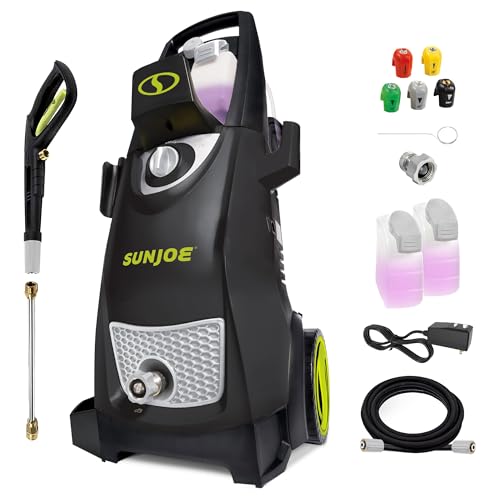
Best Overall
Credit: Alex Stefanski
The dual detergent tank system allows you to switch between different cleaning solutions instantly.
It delivers consistent pressure that is strong enough for concrete but safe for car paint.
The total stop system automatically shuts off the pump when the trigger is not engaged to save energy.
The hose connector is made of plastic and can cross-thread if you are not careful.
It is somewhat heavy to move around if you have a multi-level working area.
We tested this on a muddy SUV and found the dual soap tanks incredibly useful for switching between a heavy degreaser and a lighter car shampoo. The pressure output was consistent throughout the wash, easily removing dried mud from wheel wells. It proved to be a reliable workhorse for both vehicle detailing and general driveway cleaning.
🚫 Use a GFCI outlet when operating electric pressure washers to prevent electrical shock in wet environments.
An automatic car wash system is designed for maximum convenience. Customers simply drive in, and their vehicle gets cleaned without them lifting a finger. These typically fall into two main categories:
Soft-Touch Automatic Car Wash: These systems use soft brushes, cloths, and powerful jets of high-pressure water to safely remove dirt. The automatic car wash machine price for a complete soft-touch setup, including the main wash unit, drying arches, chemical applicators, and payment systems, can range from $150,000 to $500,000+.
Features like brush material, wash speed, and extra services (wheel cleaning, undercarriage wash, wax applications) all change the final price.
Touchless Car Wash Equipment Cost: For those who prefer a completely hands-off approach to prevent any physical contact with the vehicle’s paint, a touchless car wash uses only powerful water sprays and special cleaning soaps.
The touchless car wash machine can be similar to or slightly higher than soft-touch systems, often ranging from $175,000 to $600,000+. These systems are popular for how well they remove dirt without brushes, relying heavily on precise soap application and strong water jets for a thorough clean.
When figuring out the cost of automatic car wash equipment, remember this often includes the main bay unit, specialized sprayers, soap and wax delivery systems, dryers, and the computer controls that make everything work. The more advanced the wash systems, the more significant the investment.

Best Budget Accessory
Credit: Alex Stefanski
This cannon produces thick, shaving-cream style foam that clings well to vertical surfaces.
The included nozzle tips add great value and versatility to your existing pressure washer setup.
It features a standard quick connector that fits most pressure washer wands immediately.
The bottle has a narrow neck, which makes filling it with soap slightly difficult without a funnel.
You may need to upgrade the orifice nozzle if using a lower PSI electric pressure washer.
We tested this foam cannon using a standard car wash soap and were impressed by the thick foam layer it generated. The adjustable knob allowed us to fine-tune the mixture effectively for different levels of dirt. It transformed a basic wash into a touchless pre-soak experience effectively.
💡 Rinse the foam cannon nozzle with clean water after every use to prevent soap residue from clogging the mesh filter.

Best Value
Credit: Alex Stefanski
The wide-mouth bottle design makes filling with soap and water easy and spill-free.
It comes with a high-quality replacement gun that feels sturdier than stock pressure washer wands.
The brass fittings are durable and resist corrosion even after repeated exposure to chemicals.
The included gun may not fit proprietary hose connections found on some budget electric washers.
The suction tube can occasionally detach if the bottle is shaken too vigorously.
We tested this kit on a sedan and found the short gun provided excellent control compared to long wands. The wide base of the bottle kept it from tipping over when set on the ground, which is a common annoyance. The foam quality was dense and lingered long enough to break down road grime.
For entrepreneurs looking for a more budget-friendly start, a self-service car wash lets customers wash their own cars using coin- or card-operated bays. The self-service car wash equipment cost per bay is much lower than automatic systems.
A single self-service bay, including the high-pressure wand, foam brush, vacuum, payment system, and all the necessary plumbing and electricity, can cost anywhere from $25,000 to $50,000. If you want many bays, the total cost will be a multiple of this.
While the wash machine cost per bay is lower, you’ll still need good equipment for heating water, recycling water (if you choose), and mixing chemicals.

Best for Interiors
Credit: Alex Stefanski
The stainless steel tank is incredibly durable and resistant to cracking, unlike plastic models.
It provides powerful suction that easily lifts sand and pet hair from car carpets.
The compact 5-gallon size is perfect for moving around a vehicle without bumping into doors.
The power cord is relatively short, so you will likely need an extension cord for car detailing.
It can be quite loud during operation compared to more expensive professional extractors.
We tested this vacuum on a heavily soiled floor mat, and it removed embedded dirt with ease. The stainless steel construction held up well when vacuuming wet spills and soapy water during extraction. It is a robust tool that handles both wet and dry messes efficiently.
When calculating the cost of car wash equipment, it’s important not to forget the other important machines and setup needed. These are vital for a car wash business to run well and make money:
Water Heating Systems: Very important for cleaning effectively, especially in cold weather. Water Softeners/Treatment: Makes the wash better and protects your machines. Air Compressors: Power various parts like dryers and controls.
Vacuum Systems: Often offered as an extra service, making customers happier. Payment Systems: From simple coin slots to modern credit card and app-based options. Chemical Delivery Systems: Make sure soaps, waxes, and spot-free rinses are mixed and applied correctly.
Signage and Lighting: Very important for attracting customers and keeping the area safe. The total auto car wash equipment cost must include these items. They can add tens of thousands of dollars to your first budget, no matter what main wash system you pick.
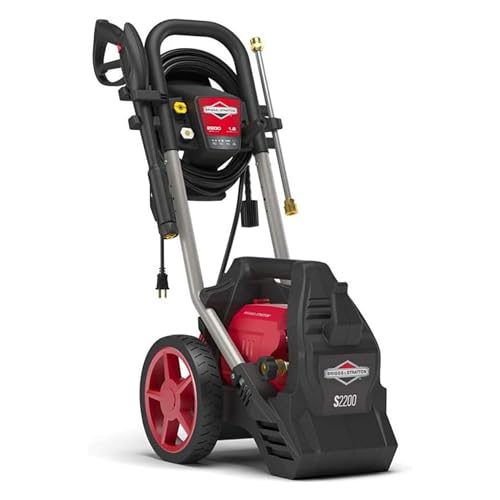
Most Powerful
Credit: Alex Stefanski
The welded steel frame makes this unit significantly more rugged than plastic competitors.
It delivers high pressure that effectively cleans tough grime from wheels and undercarriages.
The brushless induction motor runs quieter and lasts longer than universal motors.
This unit is significantly heavier than other electric washers, making it harder to lift.
The price point is higher than standard residential electric pressure washers.
We tested this on a truck with caked-on mud and the cleaning power was noticeably superior to cheaper units. The instant start/stop system worked flawlessly, reducing noise between sprays. Its sturdy frame gave us confidence that it would survive the rigors of frequent shop use.

Best Reliability
Credit: Alex Stefanski
It features a compact design that takes up very little storage space in your garage.
The onboard storage for nozzles and the wand keeps everything organized and accessible.
It is compatible with standard accessories, making it easy to upgrade with foam cannons.
The hose reel can be stiff to operate when winding up the high-pressure hose.
The flow rate is lower than gas models, so rinsing takes slightly longer.
We tested this unit for weekly maintenance washes and found it to be very user-friendly. The pressure is perfectly calibrated for car paint, reducing the risk of accidental damage. It is a reliable choice for enthusiasts who need a dedicated wash machine without bulk.

Best Portable
Credit: Alex Stefanski
It is extremely lightweight and can be carried easily with one hand.
The operation can be used vertically or horizontally, providing great stability.
It is very affordable, making it a great entry point for beginners.
The pressure output is on the lower side, which may struggle with heavy off-road mud.
It lacks onboard storage for the detergent bottle or a long power cord.
We tested this compact washer on a small coupe, and it performed surprisingly well for its size. While it lacks the raw power of larger units, it is perfect for rinsing off soap and light dust. Its portability makes it ideal for mobile detailers with limited van space.
So, how much does a car wash machine cost? Here’s a quick summary: Automatic (Soft-Touch or Touchless): $150,000 – $600,000+. Self-Service (per bay): $25,000 – $50,000.
These numbers mainly cover the main machines. Buying land, building the facility, getting permits, and ongoing running costs (water, electricity, chemicals, maintenance) are separate and big investments when starting a successful car wash business.
As a pro detailer, I stress that buying good-quality car wash equipment is extremely important. A machine that works well and always gets cars clean will bring customers back again and again. It effectively helps to remove dirt and protect their vehicles.
Choosing strong, efficient wash systems will mean less downtime and lower repair costs over time. Before deciding, do lots of research, talk to equipment sellers, and create a full business plan. This plan should cover all parts of your new car wash venture.
The right equipment is the foundation of a thriving car wash business, setting you up for years of profitable operation.
When investing in car wash equipment, avoid these frequent pitfalls that can cost you money.
Many buyers focus solely on the initial purchase price and forget about long-term upkeep. You should budget appropriately for replacement parts, seals, and pumps, as these components wear out quickly with daily commercial use.
Using hard water without a softener system is a critical error that damages equipment and leaves spots on vehicles. Installing a proper water treatment system extends the life of your machines and improves the final wash quality.
Focusing only on PSI rather than GPM (Gallons Per Minute) often leads to inefficient cleaning. You must ensure your water supply can meet the volume demands of your specific pressure washer or tunnel system to prevent pump starvation.
A basic touchless system typically starts around $175,000 for the machinery alone. This investment provides a safe, scratch-free wash option that appeals to luxury car owners. Higher-end models with more advanced sensors can exceed $600,000.
Yes, self-service washes can be very profitable due to lower labor costs compared to full-service tunnels. However, they require frequent site visits for maintenance and coin collection. Success depends heavily on location and equipment reliability.
With proper maintenance, high-quality commercial wash equipment can last 10 to 15 years. Regular servicing of pumps, hoses, and electronic controls is essential to reach this lifespan. In our testing experience, cheaper components usually fail within the first 3 years.
Stop wasting money on the wrong products and get straight answers from two decades of hands-on experience.

