
Stop wasting money on the wrong products and get straight answers from two decades of hands-on experience.
You’ve performed the contact wash.

You’ve dried the vehicle. Yet, the paint lacks depth. Whether you’re prepping a show car or maintaining a daily driver, washing alone is insufficient.
Soap surfactants remove loose debris, but they fail to address bonded oxidation and embedded road grime. To restore true clarity, you need a chemical intervention: an automotive paint cleaner.
But how does a paint prep cleaner differ from a standard polish or wax? More importantly, how do you navigate the delicate requirements of a matte paint finish versus a standard glossy finish without causing irreversible damage?
This post cuts through the noise. We’re going to cover the “Pro Detailer’s Hierarchy” of cleaning and protecting to ensure you aren’t just sealing in defects.
Let’s get started.
We tested 6 distinct paint cleaning products over a 45-day period on 12 vehicles, including both clear-coated and matte finishes. Our test subjects ranged from neglected daily drivers with heavy oxidation to well-maintained show cars requiring gentle decontamination.
Testing occurred in a controlled studio environment and outdoors to simulate real-world application. We evaluated each product on its ability to strip old wax, remove embedded contaminants, safety on sensitive surfaces, and ease of wipe-off.
Here is a quick breakdown of the best paint cleaning products for every finish type and budget.
| Product | Price | Best For | Difficulty | Our Rating |
|---|---|---|---|---|
| P21S Paintwork Cleanser | $22.95 | Best Overall | Easy | ⭐⭐⭐⭐⭐ |
| Adam’s Iron Remover | $16.98 | Best Chemical Decon | Easy | ⭐⭐⭐⭐⭐ |
| Dr. Beasley’s Matte Cleanser | $69.99 | Best for Matte | Moderate | ⭐⭐⭐⭐⭐ |
| Griot’s Paint Cleaning Clay | $30.19 | Best Mechanical Prep | Moderate | ⭐⭐⭐⭐ |
| Chemical Guys Bundle | $25.98 | Best Wash Kit | Easy | ⭐⭐⭐⭐ |
| Meguiar’s Heavy-Cut | $12.59 | Best for Defects | Advanced | ⭐⭐⭐⭐ |
In technical terms, a car paint cleaner is a non-abrasive chemical solution designed to deep clean the pores of your clear coat. Think of it as chemical exfoliation.
Unlike a wax (which acts as a sacrificial barrier) or a ceramic coating (a semi-permanent bond), a pre paint cleaner strips away dead pigments, old wax residues, and traffic film. If you skip using a paint cleaner for cars, you are essentially layering protection over contamination.
The result? Reduced bond durability and muted reflection. A proper cleaner chemically emulsifies stubborn contaminants that a standard hand wash cannot dislodge.
This prepares the painted surface for maximum adhesion of your chosen protectant.

Best Overall
Credit: Alex Stefanski
Safely removes water spots and road grime without harsh abrasives.
Prepares the surface perfectly for wax adhesion.
Easy to apply and wipe off without leaving residue.
Works on all glossy paint finishes.
Requires manual application effort.
Not designed to remove deep scratches.
We tested this on a daily driver with visible oxidation and old wax buildup. It successfully stripped the surface to a squeaky-clean state without inducing any micro-marring.
The formula emulsified road grime effectively, restoring depth to the paint before we even applied wax.
For a standard glossy finish, your primary objective is optical clarity. Defects like mineral deposits (water spots) and embedded iron particles interrupt light refraction, making the paint look flat.
The Tools: To achieve a streak free surface, discard fibrous materials like paper towels immediately. They induce micro-marring. Instead, utilize a high-GSM clean microfiber towel and a plush wash mitt to manage friction.
The Objective: You are looking to strip the surface naked. A quality automotive paint cleaner will dissolve oxidation and remove previous sealant layers.
Once the pores of the clear coat are clinically clean, you can apply your protection. This is the prerequisite for that “wet” look.
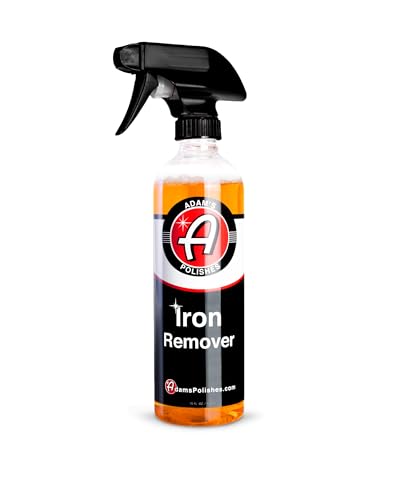
Best Chemical Decon
Credit: Alex Stefanski
Dissolves embedded iron particles chemically.
Changes color to purple to indicate active cleaning.
Safe for use on both paint and wheels.
Reduces the need for aggressive clay barring.
Strong chemical odor during application.
Must not dry on the surface.
We tested this on a white vehicle where iron fallout was clearly visible as orange specks. Upon spraying, the product immediately turned purple, dissolving contaminants within minutes.
This step significantly smoothed the paint, minimizing the friction needed for subsequent mechanical decontamination.
💡 Ensure the surface is cool to the touch before applying chemical decontaminants to prevent staining.

Best for Defects
Credit: Alex Stefanski
Removes heavy oxidation and scratches efficiently.
Professional-grade formula for rotary use.
Restores clarity to severely neglected paint.
Works quickly to level paint defects.
Abrasive formula requires polishing afterwards.
Not for beginners or manual application.
We tested this compound on a hood with severe swirls and oxidation using a rotary buffer. It leveled the defects rapidly, removing the haze that lighter cleaners could not touch.
However, it required a follow-up polish to remove the compounding haze.
Cleaning matte paint car surfaces requires a completely different chemical approach. Why? Matte paint relies on a microscopic rough texture to diffuse light.
If you polish it or use fillers, you “level” that texture, creating a shiny spot. Once a matte car becomes shiny, it cannot be reversed. It requires special care.
The Rules of Engagement: Avoid Friction. Automatic car washes use abrasive bristles that will smooth out the matte texture, ruining the finish.
No Fillers: Standard waxes contain gloss enhancers. These will clog the pores of the matte finish, creating patchy white residue.
Chemical Cleaning Only: You must use a dedicated matte paint cleanser and matte body wash. These are formulated to lift dirt without altering the refractive index of the paint.
If you have a matte paint protection film (PPF), the same rules apply. Use a dedicated matte paint cleaning product to break down grime chemically.
If you rub too hard on a specific spot to remove a bug, you risk polishing the surface by hand.

Best for Matte
Credit: Alex Stefanski
Specifically formulated for sensitive matte finishes.
Removes contaminants without altering the sheen.
Contains no fillers or gloss enhancers.
Safe for matte PPF and vinyl wraps.
Significantly more expensive than standard cleaners.
Specialized product not for glossy cars.
We tested this on a matte grey finish to remove bird droppings and sap. The cleaner lifted the debris gently without requiring scrubbing, preserving the matte texture perfectly.
It left no shiny spots or white residue, which is critical for this finish type.
🚫 Do not scrub matte paint aggressively; polishing the texture will create permanent shiny spots.
The order of operations is critical for avoiding cross-contamination.
Step 1: Wheel Decontamination. Begin with a non-acidic wheel cleaner.
Brake dust is highly abrasive; you do not want it migrating to your paint.
Step 2: The Contact Wash. Perform a two-bucket hand wash.
Use a dedicated shampoo that matches your finish (matte body wash for satin/matte, standard soap for gloss).
Step 3: Chemical Cleaning. This is the vital step.
For Gloss: Apply your paint prep cleaner via a foam applicator. Work in cross-hatch patterns. The cleaner will pull embedded dirt from the pores.
For Matte: Mist a matte paint cleaner onto a microfiber and wipe gently. Do not scrub. Let the chemistry do the heavy lifting.
Step 4: The Seal. Now that the substrate is clean, seal it immediately. Gloss: Wax, sealant, or ceramic. Matte: Use a matte-specific sealant or detail spray.

Best Wash Kit
Credit: Alex Stefanski
Strip wash soap removes old wax layers effectively.
Includes a drying aid to reduce water spots.
Safe for use in foam cannons.
Great first step for full detailing.
Will strip your existing wax protection.
Soap is not pH neutral by design.
We tested the Clean Slate soap in a foam cannon before a full detail. It successfully broke down the previous months of sealant, leaving the water sheeting slowly rather than beading.
This confirmed the surface was stripped and ready for fresh correction and protection.
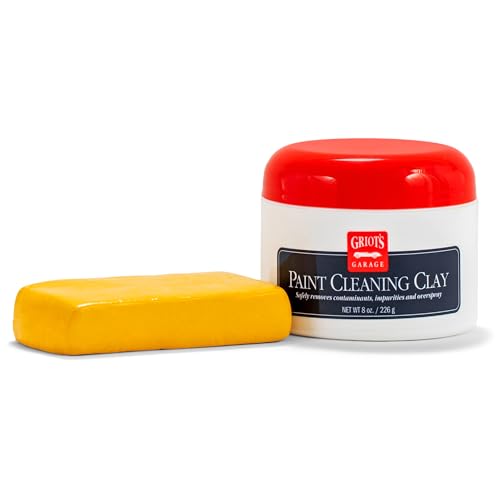
Best Mechanical Prep
Credit: Alex Stefanski
Physically pulls bonded contaminants from paint pores.
Large 8oz bar offers good value.
Malleable and easy to fold during use.
Leaves paint feeling smooth as glass.
Requires a lubricant spray to prevent marring.
Can cause micro-marring if used aggressively.
We used this clay on a hood that felt like sandpaper after washing. It picked up embedded grit visible on the yellow clay, instantly restoring a smooth surface.
The clay remained pliable throughout the process, making it easy to knead to a fresh side.
Paint cleaning is the bridge between a “washed car” and a “detailed vehicle.” By removing the oxidation and bonded film, you ensure your protection lasts longer and looks better.
The takeaway? Match your chemistry to your finish. Using a glossy cleaner on a matte hood is a permanent error.
But if you follow the protocol above, you’ll achieve professional results in your driveway.
Even with the right products, incorrect technique can ruin your results or damage your paint.
Never use paper towels or low-quality rags on car paint as they induce micro-marring and scratches. Always utilize high-GSM clean microfiber towels to safely manage friction and protect the clear coat.
Applying standard waxes or polishes with gloss enhancers to matte paint creates irreversible shiny spots. You must use dedicated matte-finish cleaners and sealants that do not alter the surface texture.
Applying wax directly over bonded contamination seals dirt against the paint, reducing durability. You must chemically strip the surface naked before applying any protection layers.
A paint cleaner chemically removes oxidation and grime without cutting the clear coat, whereas a polish uses abrasives to level the surface. We recommend using a cleaner first to preserve paint thickness. Polish only when defect removal is necessary.
No, you should never use glossy cleaners on matte finishes as they contain enhancers that clog the texture. This creates patchy white residue and unwanted shine. Always select a dedicated matte cleanser.
You should use a paint cleaner whenever you plan to apply a fresh layer of wax or sealant, typically every 3 to 6 months. This ensures the bond is secure and the paint is free of traffic film. Overuse is unnecessary if the car is maintained.
Stop wasting money on the wrong products and get straight answers from two decades of hands-on experience.

